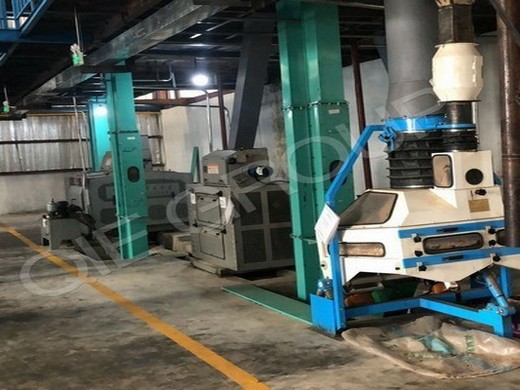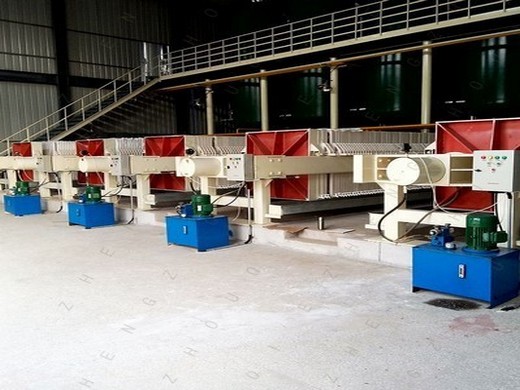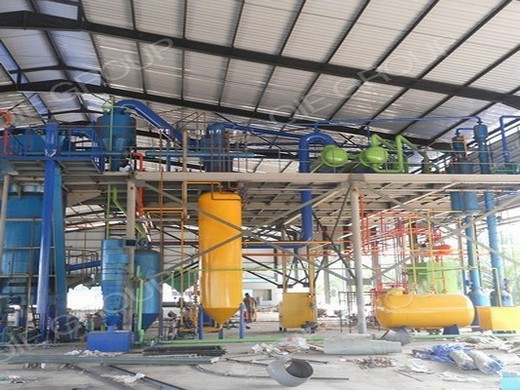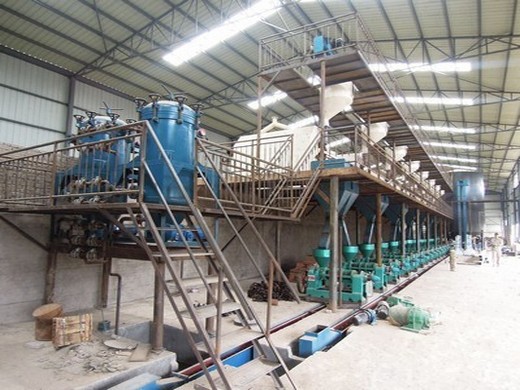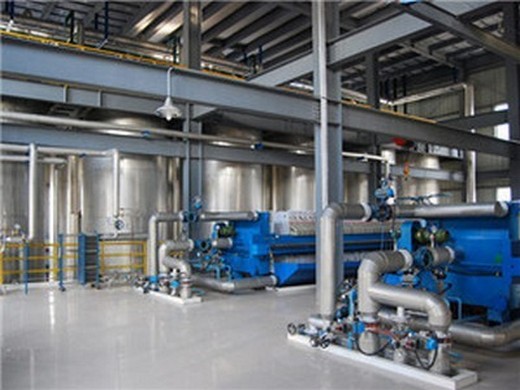
small olive oil mill small olive oil mill suppliers in Zimbabwe

A possible solution to overcome the existing limitations of biodiesel production is to utilize non-edible
Due to the food security issue, researchers are focusing on the utilization of non-edible vegetable oil for biodiesel production.
Various feedstock alternatives exist for biodiesel production, with non-edible vegetable oils gaining attention due to
Get Price
In this paper, two plant species, soapnut (Sapindus mukorossi) and jatropha (jatropha curcas, L.) are discussed as
Get Price
In this paper, two plant species, soapnut (Sapindus mukorossi) and jatropha (jatropha curcas, L.) are discussed as newer sources
Get Price
Cannabidiol (CBD) has emerged as one of the most important cannabis-derived phytochemicals and has formed the basis for the
Get Price
This research examines the feasibility of utilising neem (Azadirachta indica) and almond (Terminalia catappa) seed oils—both non
Get Price
Growing interest in biodiesel production from edible oil brings scarcity in food supply. To overcome this problem,
Get Price
About 80% of the energy consumed in the world comes from the use of oil and its derivatives, while biofuels represent
Get Price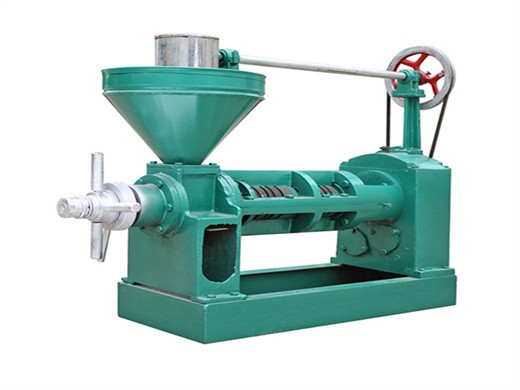
The expectation of using non-edible oil plants as feedstock for the production of biodiesel is a matter of great
Get Price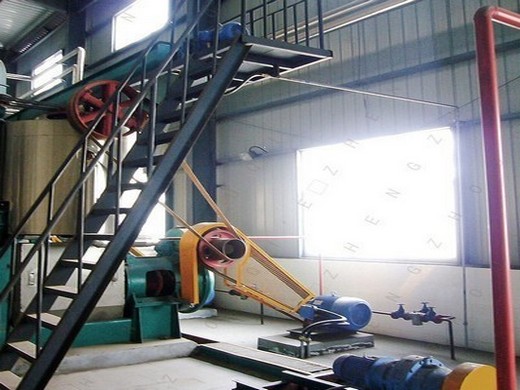
African Journal of Biotechnology Comparison of oil quality extracted from selected conventional and non conventional
Get Price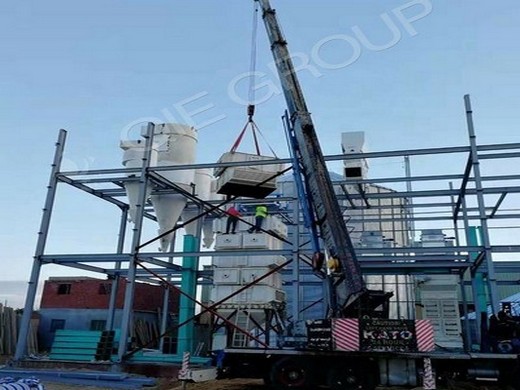
However, non-edible sources are preferable to edible plant oils to avoid the dangers of food scarcity. Furthermore, bio
Get Price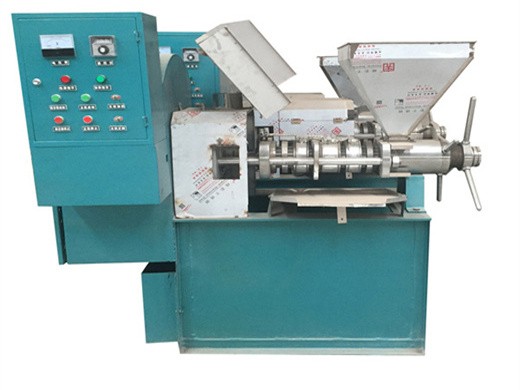
Search input auto suggest Search Open figure viewer Recently, non-edible oil sources have become a priority as
Get Price
Comparison of oil quality extracted from selected conventional and non conventional sources of vegetable oil in Malawi
Get Price
PDF | On Mar 1, 2019, Lesten Chatepa and others published Comparison of oil quality extracted from selected conventional
Get Price
A possible solution to overcome the existing limitations of biodiesel production is to utilize non-edible crops oil as a feedstock. The
Get Price
1.1 Background justification for using non edible oil seeds as source of bioenergy Environmental pollution and diminishing supply
Get Price
The findings in this study have demonstrated that nonconventional sources of oil have the potential to adequately supplement oils
Get PriceFrom economic and social reasons, edible oils should be replaced by lower-cost and reliable feedstocks for biodiesel
Get Price
6.2 Non-edible vegetable oil Due to the food security issue, researchers are focusing on the utilization of non-edible vegetable oil
Get Price
Abstract Biodiesel derived from plant species has been a major renewable source of energy and has received global interest mainly
Get Price
Biodiesel derived from plant species has been a major renewable source of energy and has received global interest
Get Price
Checking your browser before accessing pmc.ncbi.nlm.nih.gov ... Click hereif you are not automatically redirected after 5 seconds.
Get Price
Checking your browser before accessing pmc.ncbi.nlm.nih.gov ...
Get Price
Hence, the recent focus is to find oil bearing plants that produce non-edible oils as the feedstock for biodiesel
Get Price
The non-edible vegetable oils such as Madhuca indica, Jatropha curcasand Pongamia
Get Price
The present study was conducted to determine the possibility and challenges of utilizing non-edible oil as a potential
Get Price
The aim of this paper is to present the potential of non-edible vegetable oils for biodiesel production that can replace
Get Price
From all non-edible oil plants, jatropha, karanja, mahua and castor oils are the most often
Get Price
The findings in this study have demonstrated that nonconventional sources of oil have the potential to adequately supplement oils
Get Price
Download Citation | Biodiesel production from non edible-oils: A review | Sustainable production of renewable energy is
Get Price
This review proposes the continued exploration and promotion of biodiesel from diversified feedstocks, particularly
Get Price