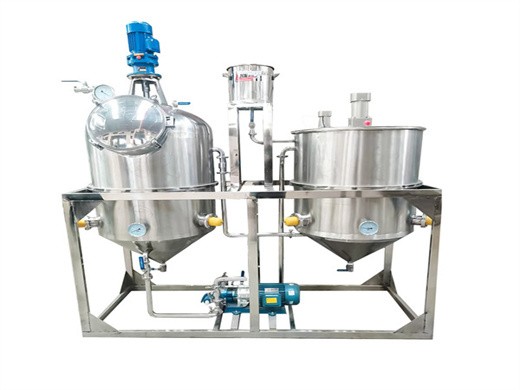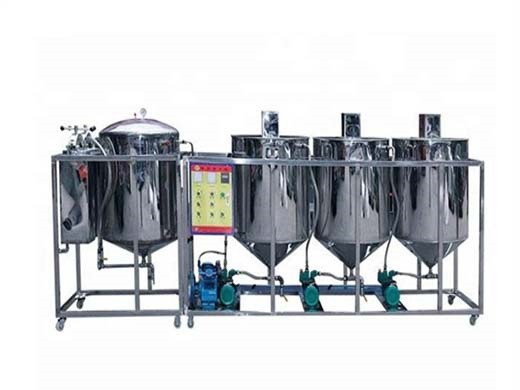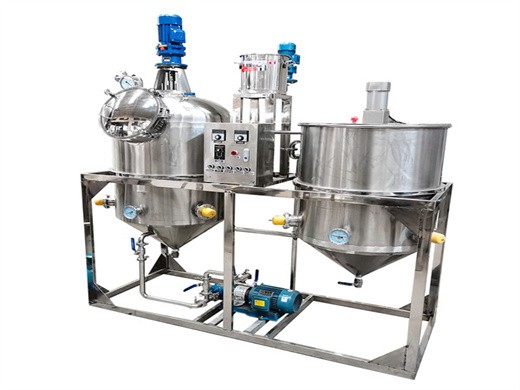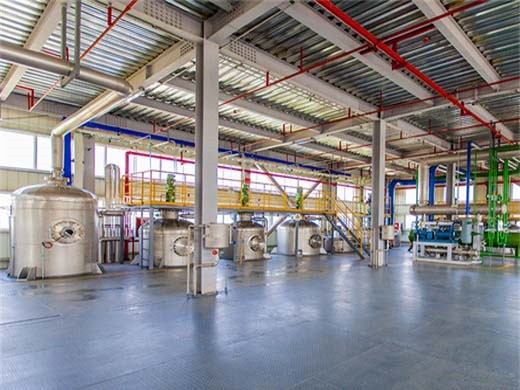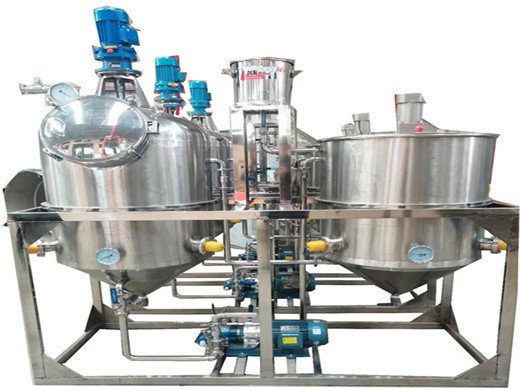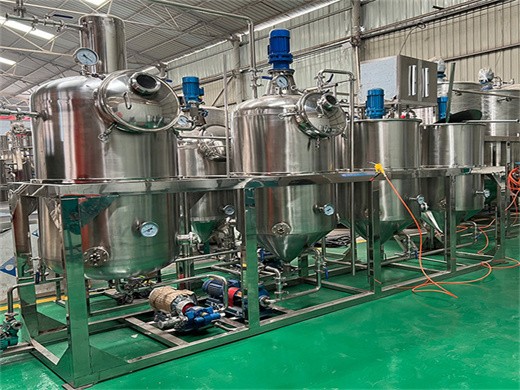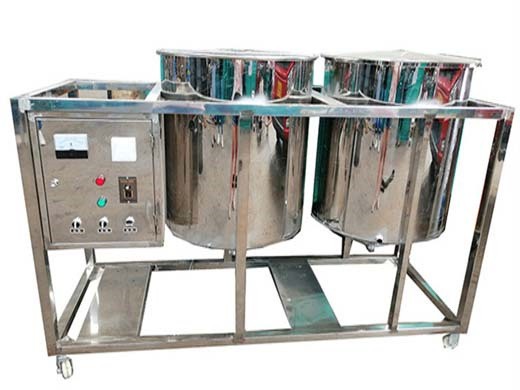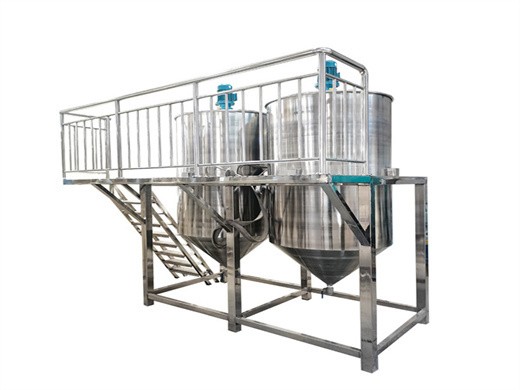
refining of palm kernel oil vegetable oil seed scribd in Sri Lanka

The average capacity utilisation of Indian edible oil refineries has fallen to 46 per cent, declined by half the past five
A strategic government shift favoring crude oil imports over refined products is reshaping the landscape for domestic
The association warned that such imports are creating an uneven playing field for Indian refiners, as refined oil
Get Price
India remains import-dependent for edible oils despite significant efforts during the past four decades, with imports
Get Price
Data compiled by the Solvent Extractors Association (SEA) puts the average capacity utilization of Indian edible oil refineries at 46
Get Price
India’s edible oil sector stands at a crossroads, shaped by shifting global dynamics, rising domestic consumption, and persistent
Get Price
Healthy oilseed output could improve domestic production of edible oil, reducing reliance on imports even further.
Get Price
The report comprehensively explores the current state of the country’s edible oil sector and its future potential. It
Get Price
The GoI lifted restrictions on the import of RPO in June 2021 (till December 31, 2022) to bring down edible oil prices. This, coupled
Get Price
The Indian vegetable oil sector is characterized by many small-scale, low-technology plants with substantial excess capacity, utilizing
Get Price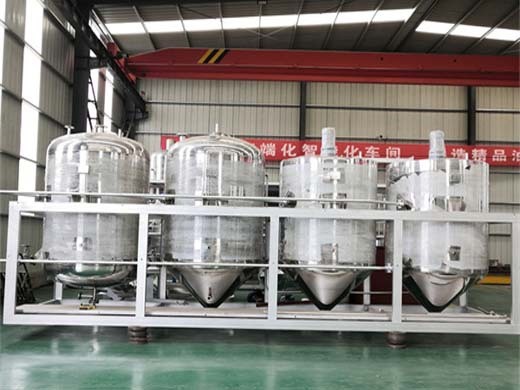
Refinery intake includes crude oil, NGL, refinery feedstocks, additives and other hydrocarbons. Non-OECD Asia excludes China.
Get Price
As oil demand growth slows and refining capacity expands, the global refining market is
Get Price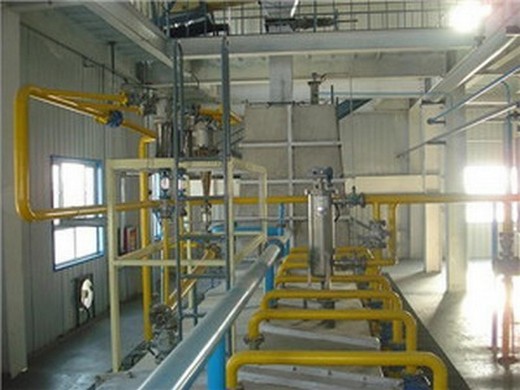
India's refining capacity is set to expand more than 20% over the next three years, as growing domestic and overseas demand for oil
Get Price
India's edible oil imports surged 13 per cent in the first seven months of 2025-26, led by soybean oil as price
Get Price
Consumer Relief: Cooking oil prices to fall after 10% import duty cut on crude edible oils; domestic refining sector gains
Get Price
In 2023, global refining capacity was estimated at 103.5 million barrels per day (b/d)1. With recent structural changes to world
Get Price
In fact, India’s edible oils stocks in ports and pipelines dropped to a five-year low of 1.35 million tonnes (MT) as on May
Get Price
India’s dependence on imported cooking oils is expected to remain elevated in the near to medium term, with edible oil
Get Price
ICRA rates debt instruments issued by corporate entities, commercial banks, non-banking finance companies,
Get Price
Insights into refinery capacity growth and utilization patterns influencing crude demand, fuel production balance,
Get Price
An increase in edible oil prices is an important concern for developing countries because it is their most significant source of fat. The
Get Price
The Indian edible oil industry faces challenges like import dependency and price volatility but benefits from growing demand
Get Price
The report highlights that over the past decades, per capita consumption of edible oil in the country has seen a
Get Price
This report analyzes refinery capacity and utilization projections across all major regions through 2050. Despite
Get Price
India's edible oil imports decline by 8.78% in 2024-25, with potential government action to
Get Price
Learn how global refinery capacity growth and margin cycles shape fuel supply, trade flows, and investment decisions
Get Price
Closures in the United States and Europe have slowed global net refinery capacity growth
Get Price
A continued shortfall in crude oil supply to domestic refiners has kept the capacity utilisation of refineries at just 57.8
Get Price
The Solvent Extractors Association of India or SEA has released the import data for edible oils for the period April
Get Price
The share of palm oil in the total edible oil imports decreased to 43 per cent (58 per cent)
Get Price
The share of palm oil in the overall edible oil imports decreased to 50 per cent in the first 11 months of 2024-25
Get Price
India’s edible oil sector stands at a crossroads, shaped by shifting global dynamics, rising domestic consumption, and persistent
Get Price