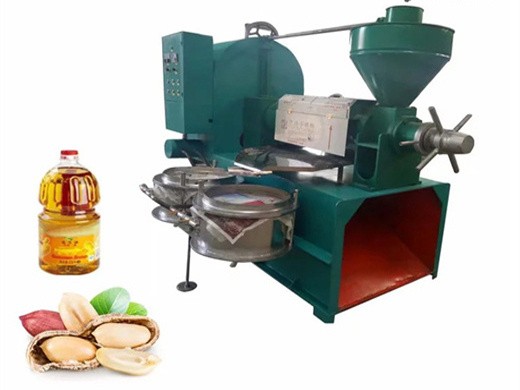
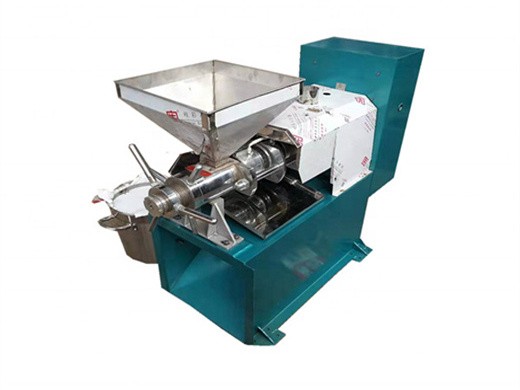
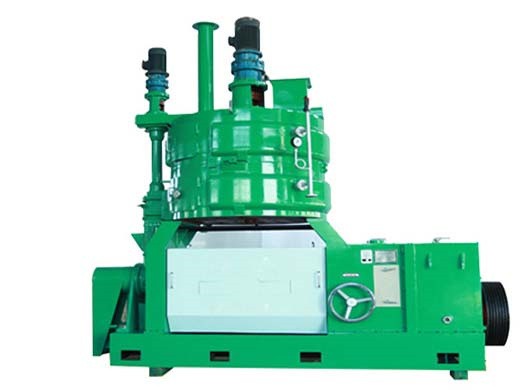
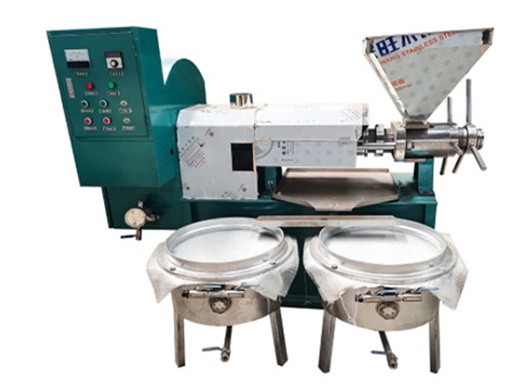
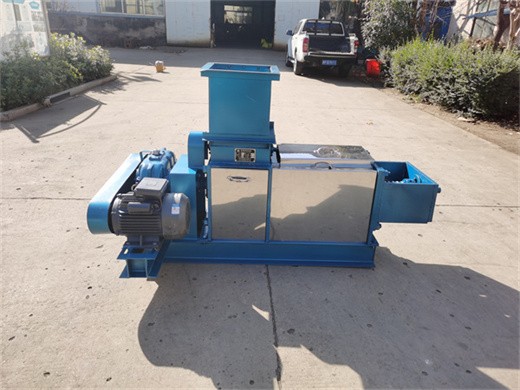
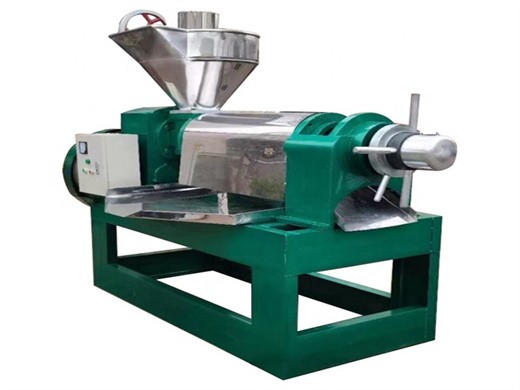
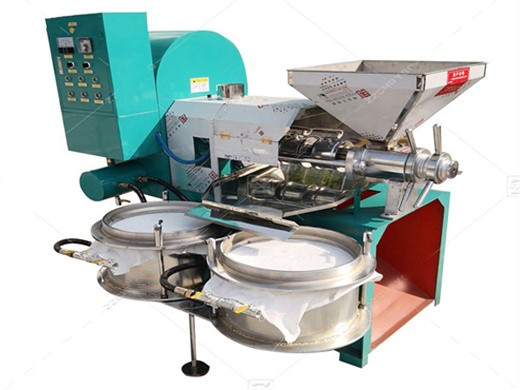
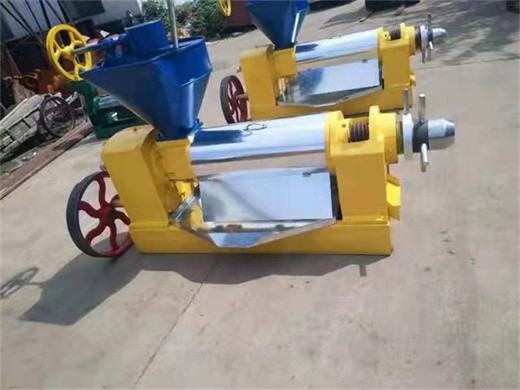
production technology of soybean screw oil press machine in India

In our field experiment, TPOMW was recycled by composting with goat manure and grape stalks on an organic farm
In our field experiment, TPOMW was recycled by composting with goat manure and grape stalks on an organic farm in Murcia, South
NOTA: Los ítems de Digital.CSIC están protegidos por copyright, con todos los derechos reservados, a menos que se indique lo
Get Price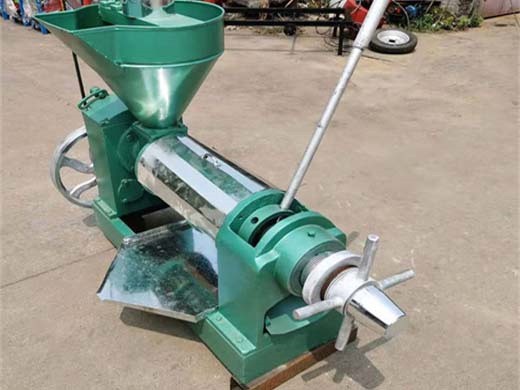
The whole process takes 6 to 10 months and is fully integrated into the olive oil growing and processing season. Most
Get Price
Addressing this concern, a field experiment in which TPOMW was recycled by composting with goat manure and grape
Get Price
Addressing this concern, a field experiment in which TPOMW was recycled by composting with goat manure and grape
Get Price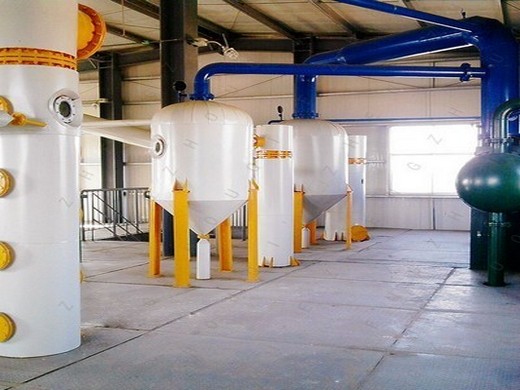
Raw and detoxified (chemically and microbiologically) olive mill waste application on tree and crop cultivation showed that there is
Get Price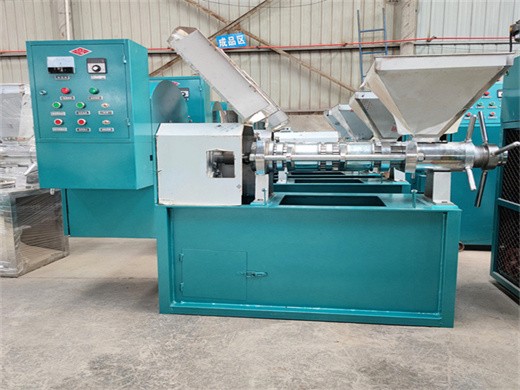
This review focuses on the olive oil production chain, from the tree to olive oil and the respective waste/by-products,
Get Price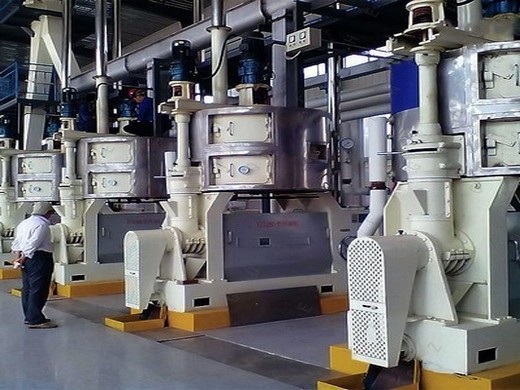
The olive oil industry wastes used in this study were recalcitrant “orujillo” (RO) and bottom ash from “orujillo”
Get Price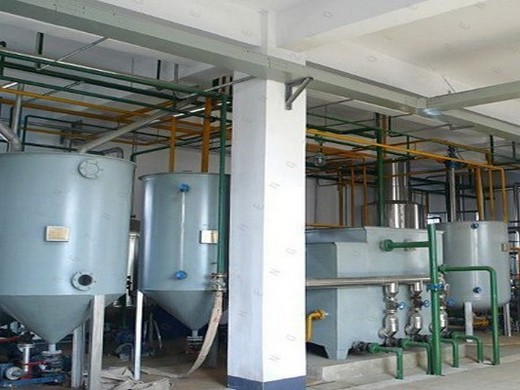
Overall, these findings demonstrate that olive pomace compost can perform as an effec-tive management strategy to increase short-
Get Price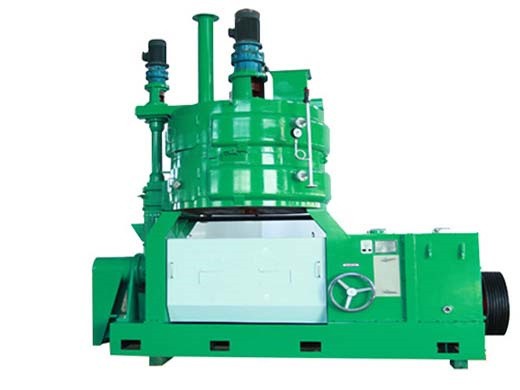
Olive-mill wastes and by-products from the edible olive oil industry contain a high non-stabilised organic load, including
Get Price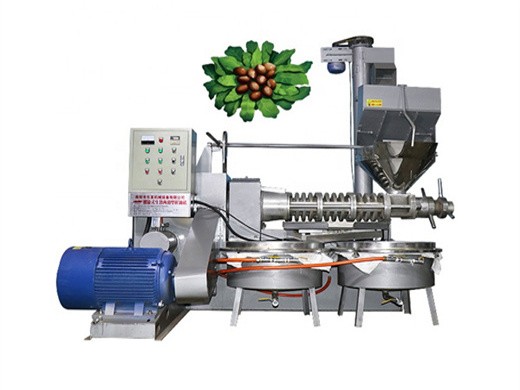
Economic evaluation showed that composting is a cost-effective valorisation strategy, with nutrient recovery values
Get Price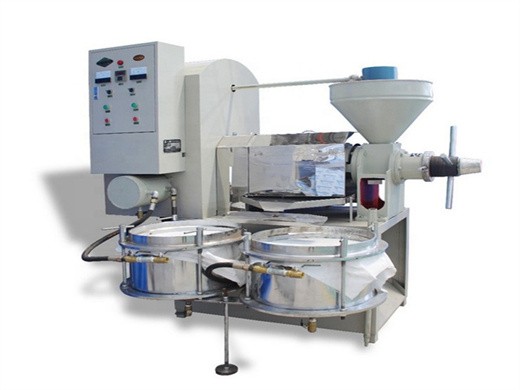
Olive Oil Waste Recycling for Compost Production Composting is a promising strategy to manage the
Get Price
This review highlights that olive pomace has excellent potential to improve plant nutrient uptake, soil physicochemical
Get Price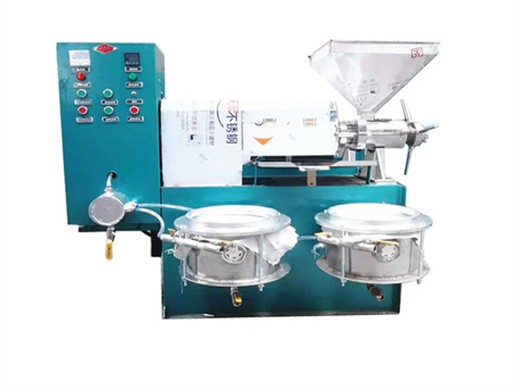
Two different composts were applied to determine compost contribution to N2O production; (i) alperujo compost, AC, a
Get Price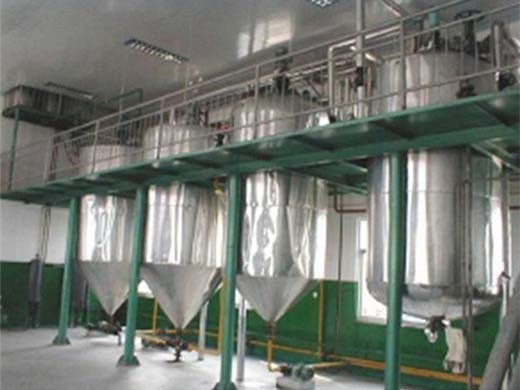
Olive oil farming is a significant feature of land use in Mediterranean regions, covering over five million hectares in the EU Member
Get Price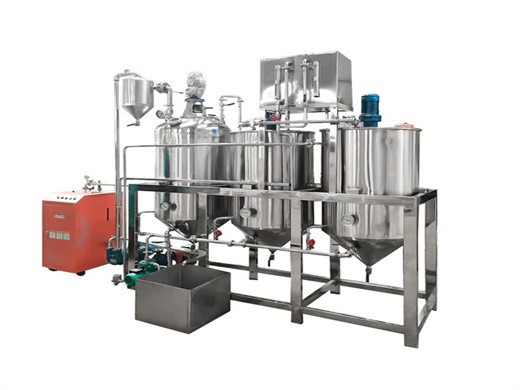
The composting of olive mill wastes has been shown to be a feasible method of producing mature, pathogen-free
Get Price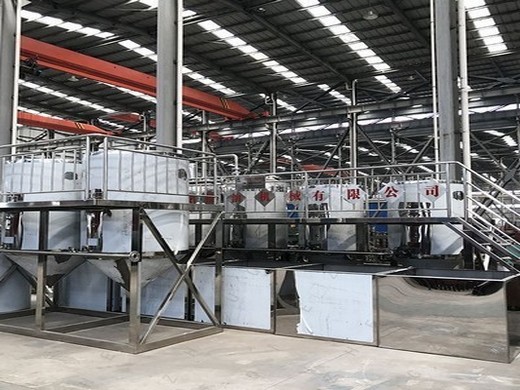
Raw and detoxified (chemically and microbiologically) olive mill waste application on tree and crop cultivation showed that there is
Get Price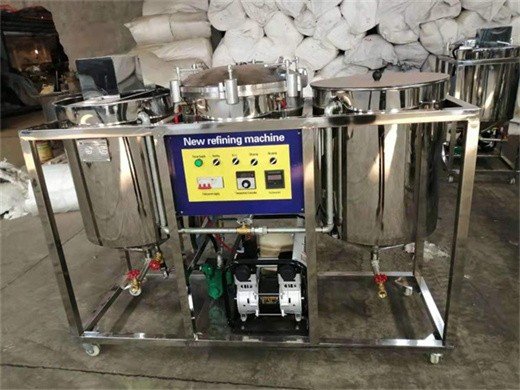
Irrigation has produced a major change in the olive grove sector and the integrated production plays an important role
Get Price
The olive industry finds significant growth in the Mediterranean basin where olive oil is produced in massive quantities,
Get Price
Spain is the largest producer of olive oil in the world accounting for 69% of total global production. In the early 1980’s the introduction
Get Price
The circular economy and bioeconomy can contribute to transitioning towards more sustainable production
Get PriceThe journey of sustainable olive oil production in Spain shows the industry’s dedication to the environment and people. By using
Get Price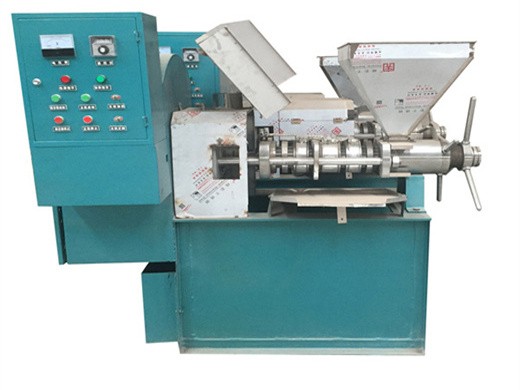
The composting of olive leaves and olive pomace from a three-phase olive mill was tested as a method for solid waste
Get Price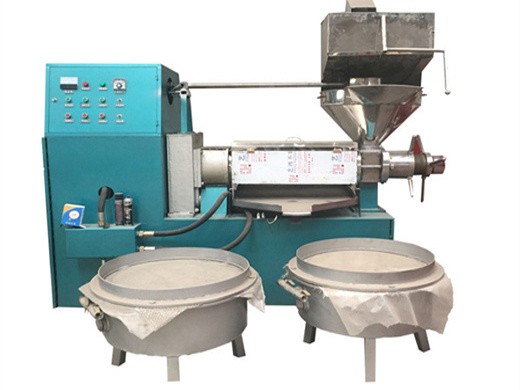
In recent times, the need for food systems that, in addition to being economically viable and socially equitable, use
Get Price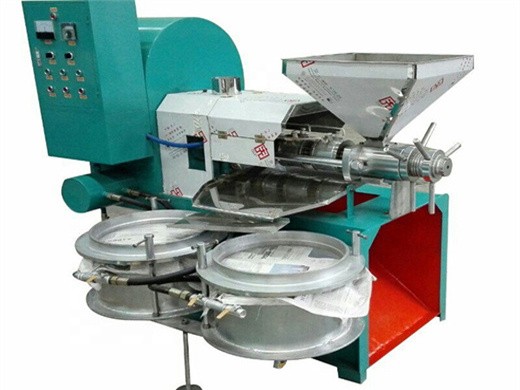
Olive tree leaves (OTL) accumulate as a waste at olive oil mills and are one of the most important organic waste
Get Price
A new power plant in Andalucia is generating electricity and saving the environment by
Get Price
Abstract Olive oil production shapes the socio-economic and environmental life of many areas of the Mediterranean
Get Price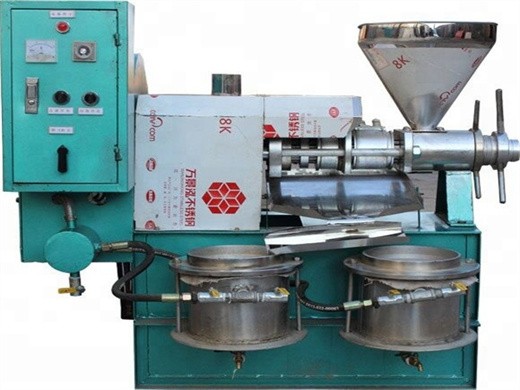
The Mediterranean region, including Spain, Italy, Greece and Tunisia, produces the vast majority of world’s olive oil
Get Price
In Catalonia, the composting process is traditionally conducted in industrial facilities where large amounts of organic
Get Price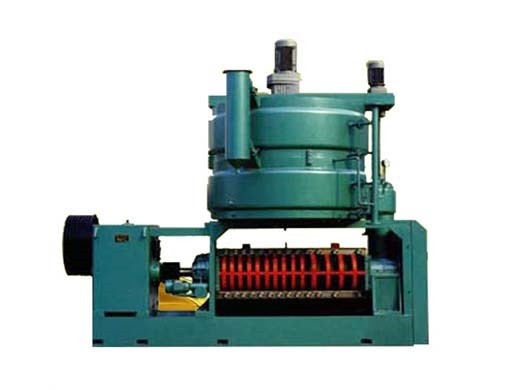
Abstract Alperujo (AL), the main byproduct of olive oil production, holds promise for circular economy applications,
Get Price
Potential for Production of Biochar-Based Fertilizers from Olive Mill Waste in Mediterranean Basin Countries: An Initial
Get Price